Unveiling Spatial Disparities between Public Rental Housing and Young People’s Daily Activity Spaces
Published in Journal of the Korean Geographical Society, 2024
Abstract : The continuous influx of youth from non-capital areas to the metropolitan area and the rise in Jeonse prices have exacerbated housing instability among young people. To address this issue, the government expanded the supply of public rental housing, known as Happy Housing, in locations with convenient public transportation and proximity to workplaces. However, problems with supply equity arose because the actual daily activity areas of young people were not considered in the supply process. This study examines the spatial similarities between the various youth mobility data and Happy Housing supplied in the metropolitan area. The results indicate a spatial mismatch between the movement patterns of young people and Happy Housing supply. Specifically, Seoul requires additional supply measures due to a shortage, Incheon needs to address vacancies because of oversupply, and Gyeonggi Province requires tailored strategies for the differing supply conditions in the northern and southern regions. This study aims to provide a quantitative basis for evaluating and managing public rental housing supply for young people in the metropolitan area.
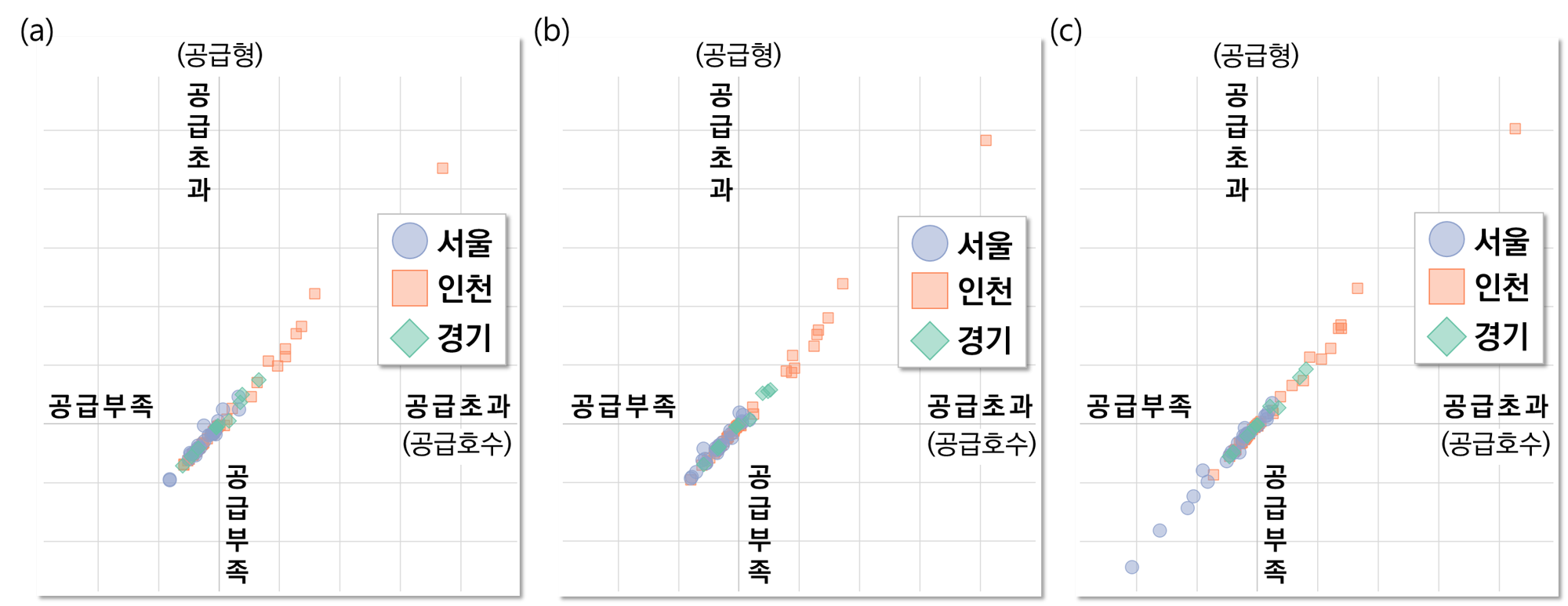 Figure 1. Regional equity measurement following youth population migration |
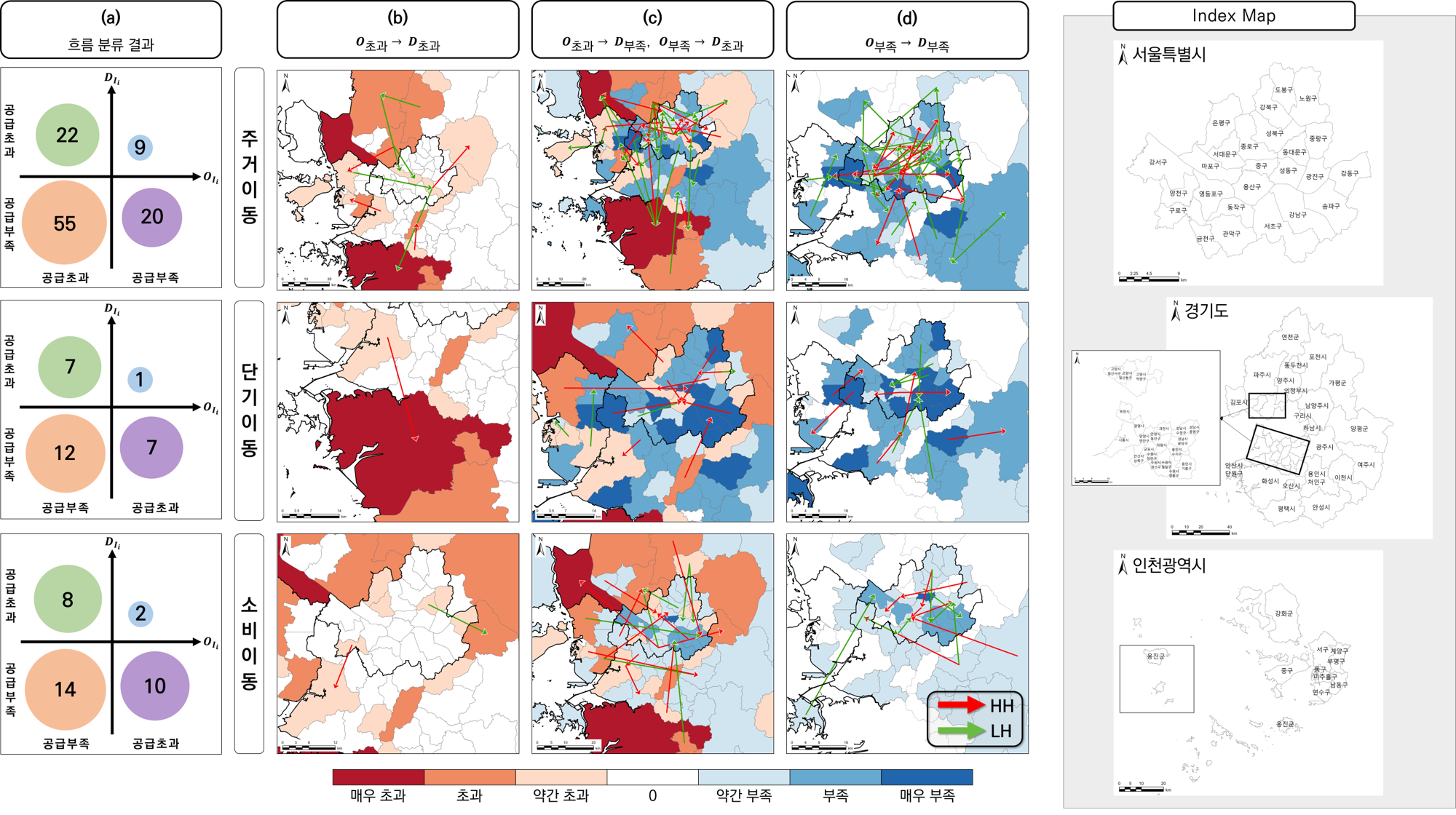 Figure 2. Typological classification of youth daily activity patterns |
Recommended citation: Lee, S., Hwang, T., Do Lee, W., & Hwang, C. S. (2024). 청년인구 일상 활동 영역과 행복주택 입지의 공간적 불일치에 관한 연구 (Unveiling Spatial Disparities between Public Rental Housing and Young People’s Daily Activity Spaces). Journal of the Korean Geographical Society, 59 (4), 196-209.
Download Paper